
Have you ever wondered why patients are choosing digital-first healthcare providers over traditional practices, even when they've been loyal for years?
The healthcare industry has undergone a seismic shift in recent years. Patients no longer accept waiting weeks for appointments or sitting in crowded waiting rooms when they can access medical consultations from their smartphones. The COVID-19 pandemic accelerated digital adoption by nearly a decade, fundamentally changing patient expectations. Today's healthcare consumers demand the same seamless digital experiences they get from their banking apps, food delivery services, and entertainment platforms.
This digital transformation isn't just a trend—it's a survival imperative. Medical practices without robust digital capabilities risk losing patients to competitors who offer convenient, technology-driven care. A healthcare app development company becomes your strategic partner in navigating this new landscape, creating custom solutions that meet modern patient expectations while improving operational efficiency.
The Digital Healthcare Revolution: Why Traditional Approaches No Longer Work
Traditional healthcare delivery models are crumbling under the weight of modern patient demands. The gap between patient expectations and healthcare delivery has never been wider.
Consider these stark realities:
77% of patients use online reviews as their first step in finding a new healthcare provider
60% of patients would switch providers for better digital experiences
Telehealth usage increased by 38 times from pre-pandemic levels
85% of patients want appointment reminders via text or app notifications
The message is clear: patients expect digital-first experiences. Medical practices clinging to outdated systems face declining patient satisfaction, poor retention rates, and diminishing competitiveness.
The Hidden Costs of Digital Inaction
Healthcare providers often underestimate the financial impact of inadequate digital infrastructure. Beyond lost patients, consider these hidden costs:
Administrative inefficiency drains resources when staff manually handle appointment scheduling, prescription refills, and patient communications. These repetitive tasks consume valuable time that could be spent on patient care.
Communication gaps lead to missed appointments, medication non-compliance, and preventable hospital readmissions. Each no-show appointment costs medical practices an average of $200, while preventable readmissions can trigger Medicare penalties.
Competitive disadvantage becomes inevitable when tech-savvy competitors offer superior patient experiences through intuitive mobile applications. Younger patients especially gravitate toward providers offering digital convenience.
What Makes Healthcare App Development Different?
Unlike standard software development, healthcare applications require specialized expertise. HIPAA compliance, interoperability standards, and patient safety regulations create unique challenges that general developers cannot navigate effectively.
Regulatory Compliance is Non-Negotiable
Healthcare apps must meet stringent regulatory requirements. HIPAA violations can result in fines ranging from $100 to $50,000 per violation, with annual maximums reaching $1.5 million. A qualified healthcare app development company understands these regulations intimately.
Key compliance considerations include:
End-to-end data encryption for protected health information (PHI)
Secure user authentication and authorization protocols
Audit trails documenting all access to patient data
Business Associate Agreements (BAAs) with third-party vendors
Regular security assessments and penetration testing
Interoperability Determines Usefulness
An isolated healthcare app provides limited value. True transformation happens when applications integrate seamlessly with existing Electronic Health Records (EHR), laboratory systems, pharmacy networks, and insurance platforms.
HL7 FHIR (Fast Healthcare Interoperability Resources) has emerged as the gold standard for healthcare data exchange. Applications built on FHIR standards can communicate with diverse systems, creating unified patient experiences across the care continuum.
Core Features Every Modern Healthcare App Should Include
The most successful healthcare applications balance patient convenience with clinical utility. Working with 75way Technologies or similar experienced development teams ensures your application includes essential features that drive adoption and deliver measurable value.
Patient-Centric Features
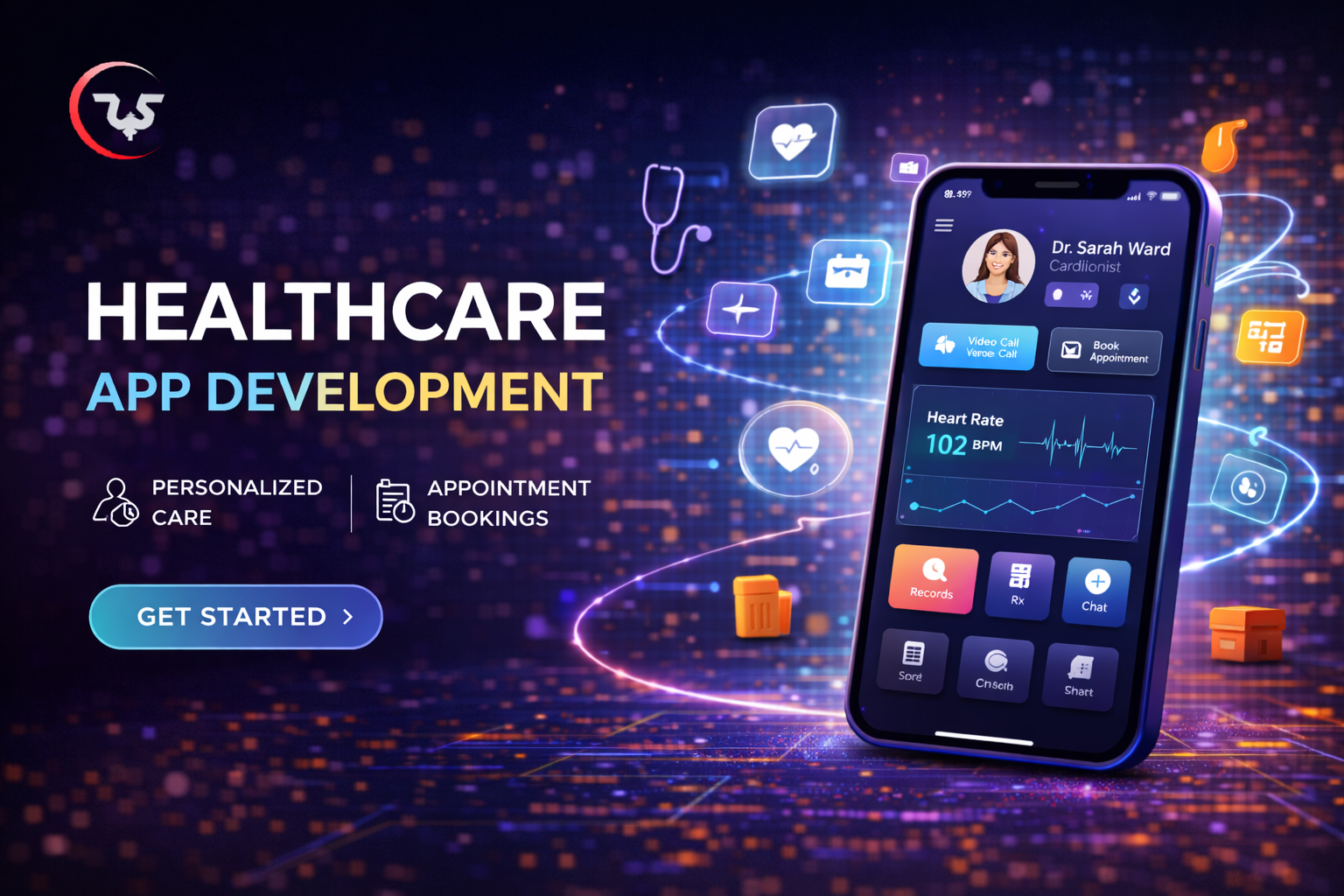
Appointment Management forms the foundation of patient engagement. Users should book, reschedule, or cancel appointments within seconds. Integration with provider calendars ensures real-time availability, eliminating phone tag and reducing administrative workload.
Telemedicine Capabilities have transitioned from nice-to-have to essential. High-quality video consultations, secure messaging, and virtual waiting rooms expand access while reducing overhead costs. Rural patients and those with mobility challenges especially benefit from virtual care options.
Prescription Management streamlines medication refills and adherence. Patients can request refills, receive reminders, and even compare pharmacy prices within the app. Integration with pharmacy networks enables direct prescription transmission.
Health Records Access empowers patients to view test results, visit summaries, and vaccination records. Transparency builds trust and encourages active participation in health management.
Provider-Focused Features
Clinical Decision Support enhances diagnostic accuracy and treatment planning. AI-powered tools can flag potential drug interactions, suggest evidence-based treatment protocols, and identify at-risk patients needing proactive intervention.
Documentation Efficiency reduces administrative burden through voice-to-text capabilities, automated coding suggestions, and streamlined charting workflows. Physicians spend 40% of their time on documentation—technology that reclaims even a portion of this time creates significant value.
Care Coordination Tools facilitate communication among care team members. Secure messaging, shared care plans, and real-time updates ensure everyone works from the same information, reducing errors and improving outcomes.
Real-World Applications: Healthcare Apps Making a Difference
Understanding how others leverage healthcare apps provides valuable insights for your own digital transformation journey.
Chronic Disease Management
Diabetes management apps demonstrate the power of continuous patient engagement. Applications tracking blood glucose, medication adherence, and lifestyle factors help patients maintain control while alerting providers to concerning trends. Studies show such apps reduce HbA1c levels by an average of 0.5%, translating to fewer complications and hospitalizations.
Mental Health Support
Telepsychiatry applications expanded mental health access dramatically. Patients in underserved areas now connect with specialists hundreds of miles away. Mood tracking features, meditation guidance, and crisis intervention hotlines provide between-session support, improving outcomes while reducing emergency department visits.
Remote Patient Monitoring
Post-surgical monitoring apps enable earlier hospital discharges without compromising safety. Patients report vitals through connected devices while automated algorithms identify complications early. Healthcare systems achieve cost savings of $2,000-$4,000 per patient while improving satisfaction scores.
Choosing the Right Healthcare App Development Company
Not all development firms possess the specialized knowledge healthcare applications demand. Selecting the wrong partner wastes resources and delays your digital transformation.
Essential Selection Criteria
Healthcare Industry Experience should top your evaluation checklist. Review the company's portfolio specifically for healthcare projects. Have they built similar applications? Do they understand clinical workflows and patient needs?
Technical Expertise must span multiple domains. Modern healthcare apps require proficiency in mobile development (iOS and Android), backend infrastructure, cloud computing, AI/ML integration, and cybersecurity.
Compliance Knowledge separates qualified healthcare developers from generalists. Ask specific questions about HIPAA, HITECH, FDA regulations for medical device software, and state-specific privacy laws.
Communication and Collaboration determine project success. Development should be partnership, not transaction. Look for teams that ask probing questions about your goals, challenges, and patient populations.
Red Flags to Avoid
Beware of developers who:
Guarantee unrealistic timelines or costs
Lack specific healthcare project references
Cannot articulate compliance requirements
Propose one-size-fits-all solutions
Resist discussing security measures
Offer no ongoing maintenance or support
The Healthcare App Development Process: What to Expect
Understanding the development lifecycle helps you plan resources and set realistic expectations.
Discovery and Planning Phase
Successful projects begin with thorough discovery. Your development partner should conduct stakeholder interviews, analyze workflows, and identify pain points. This phase typically requires 2-4 weeks but prevents costly mid-project changes.
Deliverables include:
Detailed requirements documentation
User personas and journey maps
Technical architecture diagrams
Project timeline and milestones
Budget breakdown and payment schedule
Design and Prototyping
User experience design determines adoption rates. Healthcare apps must be intuitive for diverse user populations, including elderly patients with limited technical skills and busy clinicians with minimal training time.
Interactive prototypes allow testing core concepts before coding begins. Gather feedback from actual patients and providers, iterating designs based on real-world insights.
Development and Testing
Agile development methodologies work well for healthcare applications. Iterative sprints produce working functionality every 2-3 weeks, allowing continuous feedback and course correction.
Rigorous testing goes beyond functionality. Security testing, performance testing under load, accessibility testing, and usability testing with representative users ensure quality before launch.
Deployment and Support
Application launch is just the beginning. Post-launch support addresses bugs, user questions, and enhancement requests. Plan for ongoing development as user needs evolve and regulatory requirements change.
Measuring Success: KPIs That Matter
Healthcare app investments must demonstrate return. Track these key performance indicators:
Adoption Metrics indicate whether patients and staff embrace the technology. Monitor download rates, active users, and feature utilization. Low adoption signals usability issues or insufficient training.
Engagement Metrics reveal value delivery. Time in app, session frequency, and feature usage depth show whether the application meets real needs or collects digital dust.
Clinical Outcomes provide ultimate validation. Does your app improve medication adherence? Reduce no-shows? Lower readmission rates? Tracking health outcomes justifies continued investment.
Operational Efficiency translates to cost savings. Measure reductions in phone calls, administrative time, and manual processes. Calculate time saved and apply hourly labor costs to determine ROI.
Patient Satisfaction appears in surveys, reviews, and retention rates. Net Promoter Score (NPS) and patient satisfaction scores reveal whether your digital offerings enhance or detract from the overall experience.
Future-Proofing Your Healthcare Application
Technology evolves rapidly. Applications built today must adapt to tomorrow's innovations.
Artificial Intelligence Integration
AI transforms healthcare delivery through predictive analytics, personalized treatment recommendations, and administrative automation. Build your application on architecture that accommodates future AI capabilities without complete rebuilds.
Wearable Device Integration
Fitness trackers, smartwatches, and medical-grade wearables generate valuable health data. Applications that aggregate this information provide comprehensive patient pictures, enabling proactive interventions.
Voice Interface Capabilities
Voice commands improve accessibility and convenience. As voice recognition accuracy improves, expect patients to prefer speaking over typing for many interactions.
Conclusion: Your Digital Transformation Starts Now
The question isn't whether to invest in healthcare app development—it's how quickly you can implement solutions that meet patient expectations and position your practice for long-term success.
Partnering with an experienced healthcare app development company accelerates your digital journey while avoiding costly mistakes. The right development partner brings technical expertise, regulatory knowledge, and healthcare industry insights that ensure your application delivers real value.
Patient expectations will only increase. Regulatory requirements will become more complex. Competitive pressures will intensify. The practices that thrive will be those that embraced digital transformation early, learned from initial implementations, and continuously evolved their technology capabilities.
Your patients are ready for better digital experiences. Your staff would welcome tools that reduce administrative burden. Your practice needs differentiation in an increasingly competitive market. The technology exists to address all these needs—the only question is when you'll take the first step.
Don't let another month pass watching patients choose digitally-advanced competitors. Start your healthcare app development journey today and position your practice as a leader in the digital healthcare revolution.


Write a comment ...